
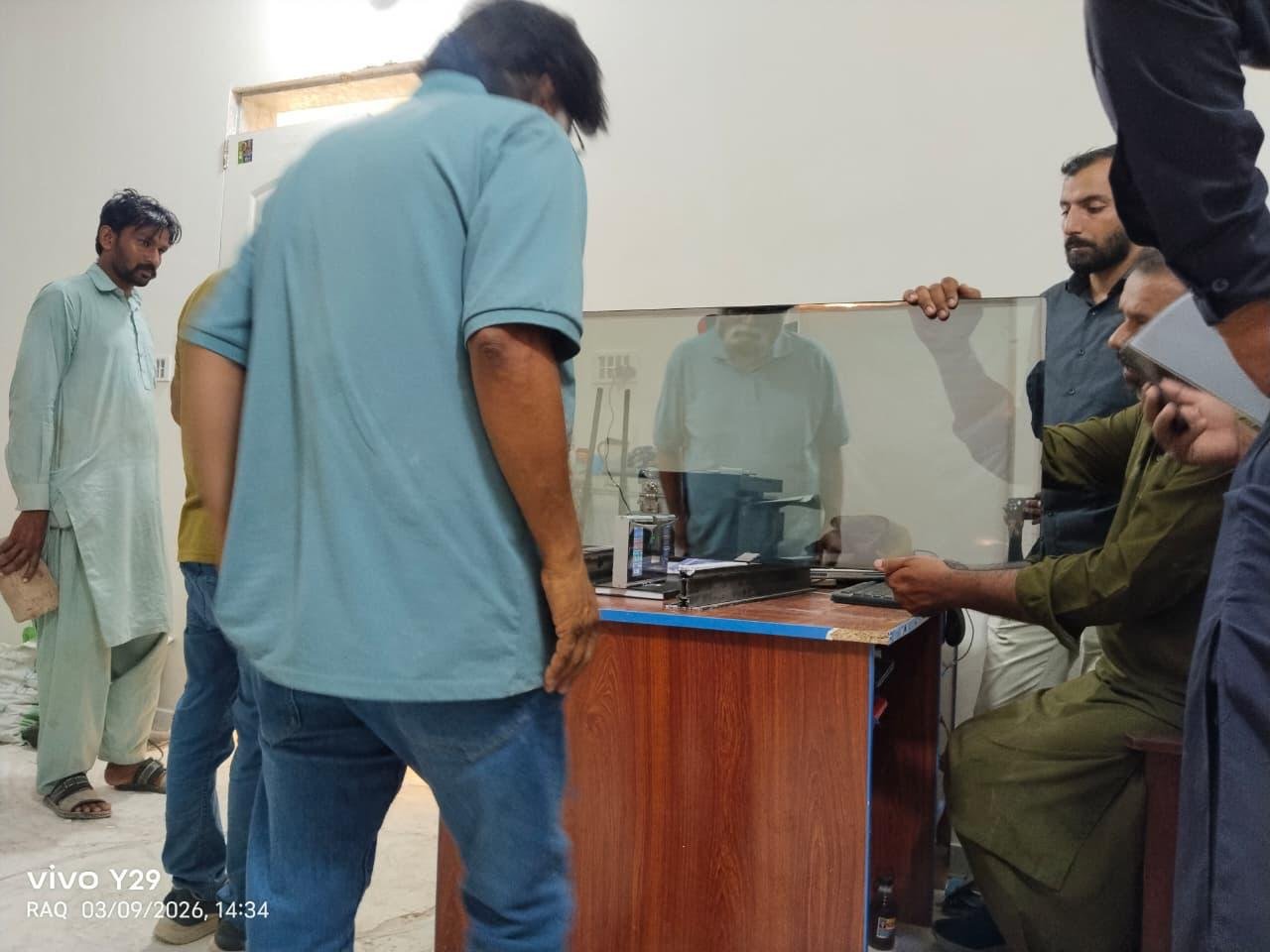
A window can look right and still leave important questions unanswered. Which glass was supplied? Does it match the approved specification? Is there a clear record linking that product to the windows installed on site? These questions matter when a building’s energy performance forms part of the project requirements.
At Tameer Associates’ NGC residential colony at Lalian, the client’s visiting team checked the installed glass against Low-E requirements. The photographs record that inspection. They do not, by themselves, establish a measured energy saving or certify the performance of the entire building.
What Low-E glass does
Low-emissivity coatings change how glazing transfers heat. Depending on the coating and glass assembly, they can also influence solar heat gain and the amount of daylight admitted. Low-E is therefore a description of a technology, not a single performance rating. The US Department of Energy explains these distinctions in its guide to window technologies.
Look beyond a product label
A useful review connects the approved specification with the supplier’s documentation and the installed glazing. Product identification, the glass assembly and the inspection record should refer to the same material. If a substitution is proposed, its suitability needs to be reviewed before installation rather than inferred from a similar appearance.
Two terms worth understanding are U-factor, which describes heat transfer, and solar heat gain coefficient, which describes the fraction of solar radiation admitted. Their suitability depends on the building and climate. The Department of Energy’s energy-efficient windows guide explains how these ratings differ. A coating check alone does not establish either rating for a complete window.
Where ECBC-2023 fits
Pakistan’s Energy Conservation Building Code 2023 provides the local reference for energy-efficient buildings. Glazing is one part of the building envelope; project teams need to consider it alongside the other applicable design and construction requirements. The approved project specification and relevant code provisions should govern acceptance.
The Tameer project context
Tameer Associates is executing energy-efficient works at Lalian, Jhampir, Faisalabad, Arifwala and Sialkot in accordance with the project requirements under ECBC-2023. The Lalian visit offers a concrete example of how a requirement on paper becomes a question checked on site.
For clients, a useful handover record should make that trail easy to follow: the specified product, what was supplied, where it was installed and what was inspected. Read the Lalian inspection update or explore our project photographs for the site context.